Designing a home is much more than assembling furniture or picking popular paint colors from a hardware store catalog. True home design sits at the intersection of architectural structure, human psychology, and personal expression. It is the process of translating a physical building into an intuitive, responsive sanctuary that enhances the quality of daily life.
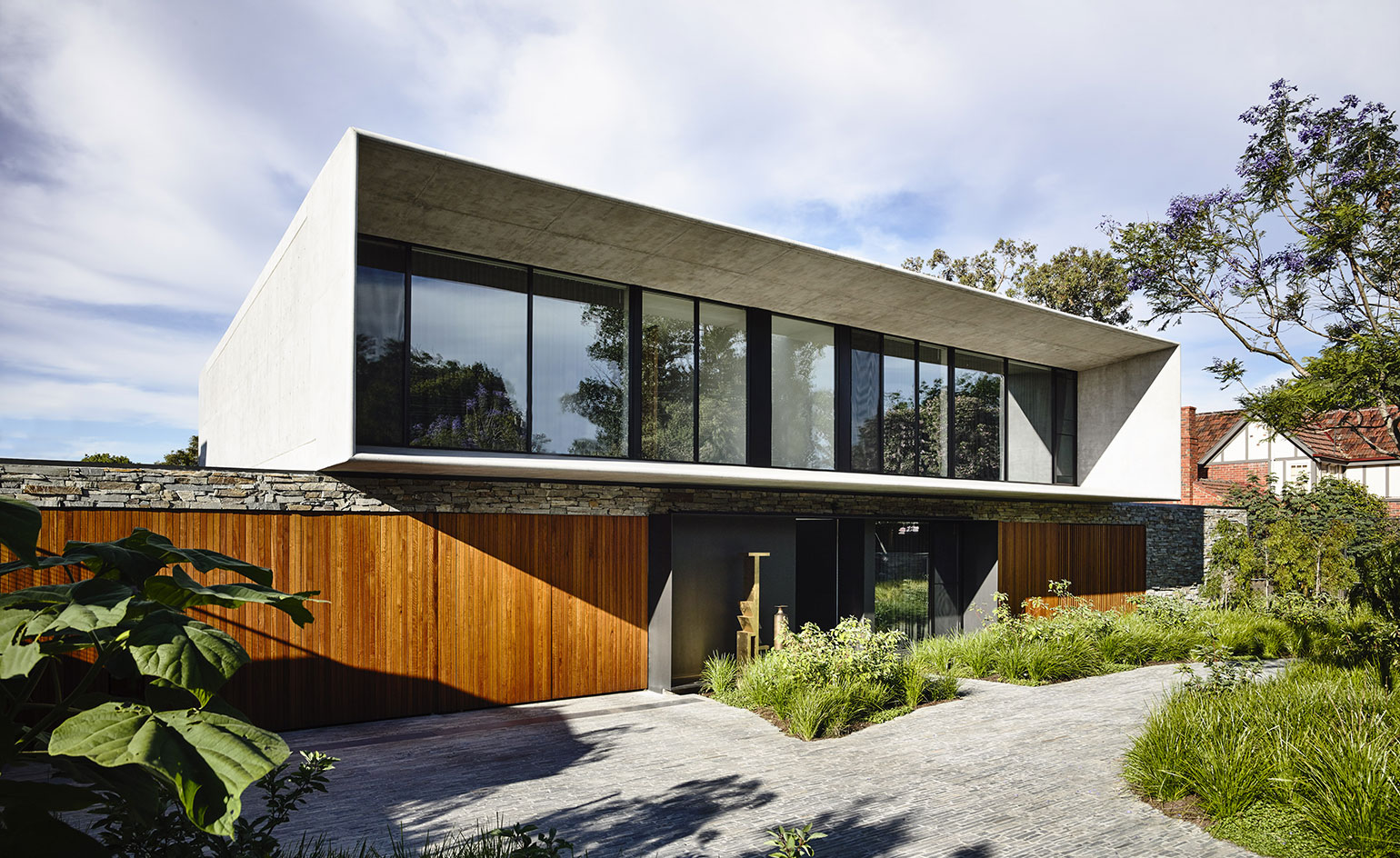
As modern life grows increasingly complex, our living environments must serve multiple functions simultaneously. Today, a home functions as a private sanctuary, a high-productivity workspace, a gathering hub for loved ones, and a reflection of personal values. Achieving harmony across these varied functions requires a holistic approach to home design. Below is a detailed, structured guide on how to design a home that is visually captivating, highly functional, and built to stand the test of time.
1. Architectural Foundations: Balancing Form and Spatial Flow
Every successful design home project begins with an understanding of spatial structure and flow. Before focusing on soft furnishings and decorative elements, designers must evaluate how people move through and interact with the physical footprint of the house.
- Understanding Open Versus Zoning Principles: While open-concept layouts remain popular for maximizing natural light and creating fluid social spaces, modern home design increasingly incorporates smart zoning. Using architectural dividers, glass partitions, or strategic furniture placement allows residents to enjoy open sightlines without sacrificing acoustic privacy or functional boundaries.
- Optimizing Natural Circulation Pathways: A well-designed floor plan establishes clear, unobstructed routes between core areas—such as the kitchen, living room, bedrooms, and exterior entryways. Ensuring generous walking corridors prevents spatial congestion and establishes a sense of calm movement.
- Harmonizing Architectural Scale: Furniture and fixtures must always honor the proportions of the room. High ceilings demand vertical architectural elements like tall bookcases, pendant lighting, or floor-to-ceiling drapery, whereas lower ceilings benefit from low-profile, horizontal furniture that preserves overhead volume.
2. Light Architecture: Harnessing Natural and Artificial Illumination
Lighting dictates how a space is perceived, influencing mood, perceived room dimensions, and overall energy efficiency. A comprehensive approach treats lighting not merely as a utility, but as a central design material.
- Maximizing Natural Daylight Harvesting: Solar orientation plays a critical role in comfortable home design. Placing main living areas toward natural light sources maximizes daytime illumination, reduces artificial energy reliance, and supports healthy circadian rhythms for residents.
- Designing Multidimensional Lighting Schemes: To create depth and flexibility, every room should feature a layered combination of ambient, task, and accent lighting. Dimmable ambient ceiling lights provide general visibility, task lamps support focused activities like reading or cooking, and accent spotlights accentuate wall art or architectural textures.
- Selecting Warm Color Temperatures: For residential interiors, warm lighting color temperatures ranging between 2700K and 3000K create an inviting, hospitable atmosphere. Cooler lighting tones should be reserved for dedicated utility zones such as laundries or garage workshops.
3. Materiality and Tactile Harmony: Texture, Color, and Durability
The materials selected for floors, walls, cabinetry, and textiles form the sensory palette of a home. A visually rich interior relies on a balanced contrast between different surface finishes and organic textures.
- Establishing a Unified Material Palette: To achieve cohesive design across different rooms, limit primary surface materials to three or four key elements—such as natural oak, matte black steel, honed limestone, and brushed brass. Repeating these core materials across various spaces creates visual harmony throughout the entire dwelling.
- Integrating Organic and Biophilic Elements: Human beings possess an innate desire to connect with nature. Incorporating authentic, natural materials like raw timber, stone tiles, wool rugs, linen upholstery, and indoor botanical displays grounds the home, reducing stress and enhancing indoor air quality.
- Prioritizing Tactile Contrast Over Bold Patterns: Instead of relying on aggressive, fast-trending patterns that age quickly, create visual interest through contrasting textures. Pair smooth polished concrete with soft woven fabrics, or matte cabinetry with glossy ceramic wall tiles.
4. Designing for Longevity: Ergonomics and Future-Proofing
A truly exceptional design home accommodates the changing needs of its occupants over time. Prioritizing ergonomics, sustainability, and adaptability ensures that the residence remains functional and valuable for decades.
- Ergonomic Furniture and Layout Planning: Counter heights, seating depths, desk placement, and storage accessibility must align with human ergonomics. Thoughtful height clearances and comfortable furniture dimensions directly affect daily physical well-being.
- Integrating Concealed and Intelligent Storage: Clutter disrupts both visual order and mental clarity. Custom built-in cabinetry, under-stair storage systems, recessed medicine cabinets, and hidden pantry areas maintain clean architectural lines while accommodating household storage needs.
- Sustainable and Energy-Conscious Integration: Modern design home practices prioritize environmental responsibility. High-performance insulation, low-E window glazing, non-toxic low-VOC paints, and smart energy management systems lower utility overhead while fostering a healthier living environment.
Conclusion
Designing a home is a transformative journey that extends far beyond surface-level decoration. It requires a thoughtful synthesis of architectural circulation, strategic lighting, tactile materiality, and long-term ergonomic functionality. By prioritizing structural harmony and personal wellness over temporary design fads, you create a living space that not only looks beautiful, but continuously supports and elevates your lifestyle.
Are you currently planning a full home design project from scratch, or are you looking to redesign specific rooms in your existing property?