Mastering Architecture and Space Perception in Interior Design

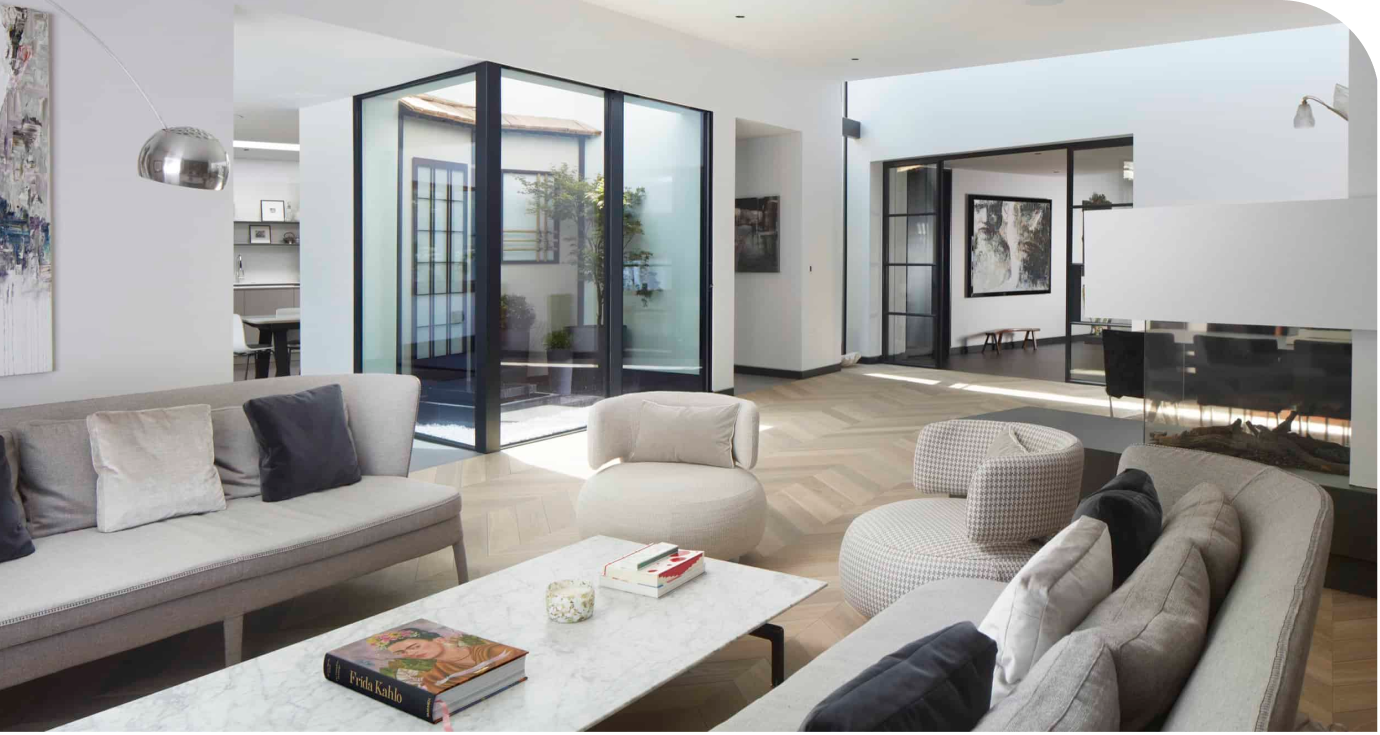
When we walk into a room, our brains perform thousands of instantaneous calculations. We subconsciously measure the height of the ceiling, the distance between walls, and the way the light hits a corner. This psychological experience is known as space perception. In the world of professional interior design, the goal is often to manipulate these perceptions—making a cramped room feel expansive, a cold hall feel intimate, or a low ceiling feel like it reaches the sky. Enhancing architecture is not always about moving physical walls; it is about using visual cues to redefine the boundaries of a space.


The Psychology of Verticality: Lifting the Ceiling

One of the most common architectural challenges is the “closed-in” feeling caused by low ceilings. To counteract this, designers use verticality to draw the eye upward, creating a psychological sense of height. This is achieved through the principle of continuity.

When you install floor-to-ceiling … Read more

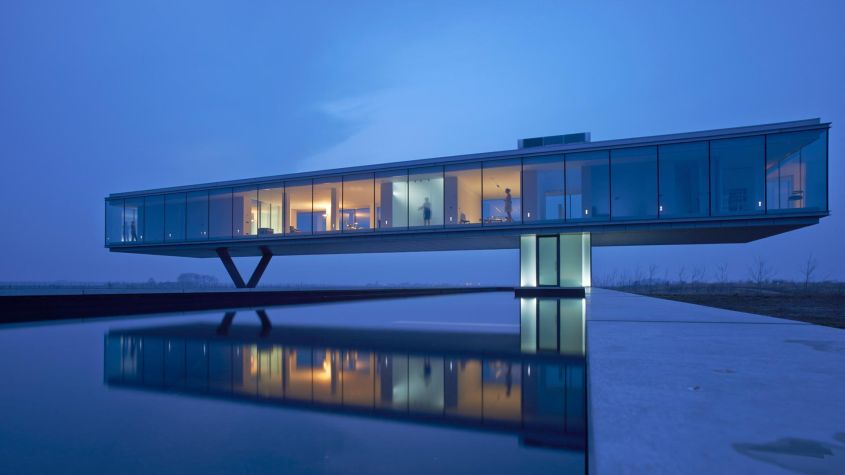
The Aesthetic of Innovation: How Technology is Reshaping Architectural Beauty

Architecture has always been a reflection of human capability, but today’s most compelling structures are defined by a new principle: the aesthetic of innovation. This is a design philosophy where beauty is not found in apply ornamentation, but is reveal through the clever, visible integration of technology, functionality, and sustainability. It’s an era where the structural solution becomes the artistic statement, and the quest for greater performance dictates a new form of visual appeal. These buildings are not just places to live or work; they are tangible manifestos of the future.


The Shift from Decoration to Disclosure

Historically, architectural beauty achieve through mastery of classical proportion, intricate detailing, and rich, often expensive, materials. Innovation, when it happened, was often hidden behind an ornate facade. The aesthetic of innovation, however, demands disclosure. The functional elements of a building—its structure, its environmental systems, and its materials—are brought to the … Read more