Home Design

The Art of the Compact: Exploring Modern Little Home Design

The architectural world is currently witnessing a fascinating paradox. While technology and global connectivity continue to expand, our physical living footprints are becoming more intentional and compact. The “Modern Little Home” movement is no longer just a response to housing affordability or urban density; it has become a lifestyle choice for those who value freedom, sustainability, and the beauty of curated living.

Designing a modern little home requires a complete departure from traditional architectural thinking. In a large house, a few square feet of wasted space go unnoticed. In a little home, every inch is a precious resource. Successfully creating a small modern dwelling is about mastering the balance between high-end aesthetics and rigorous functionality.


1. The Philosophy of Modern Small-Scale Living

At the heart of modern little home design is the concept of “Essentialism.” This philosophy encourages homeowners to strip away the excess and focus on the elements that … Read more

Design Home

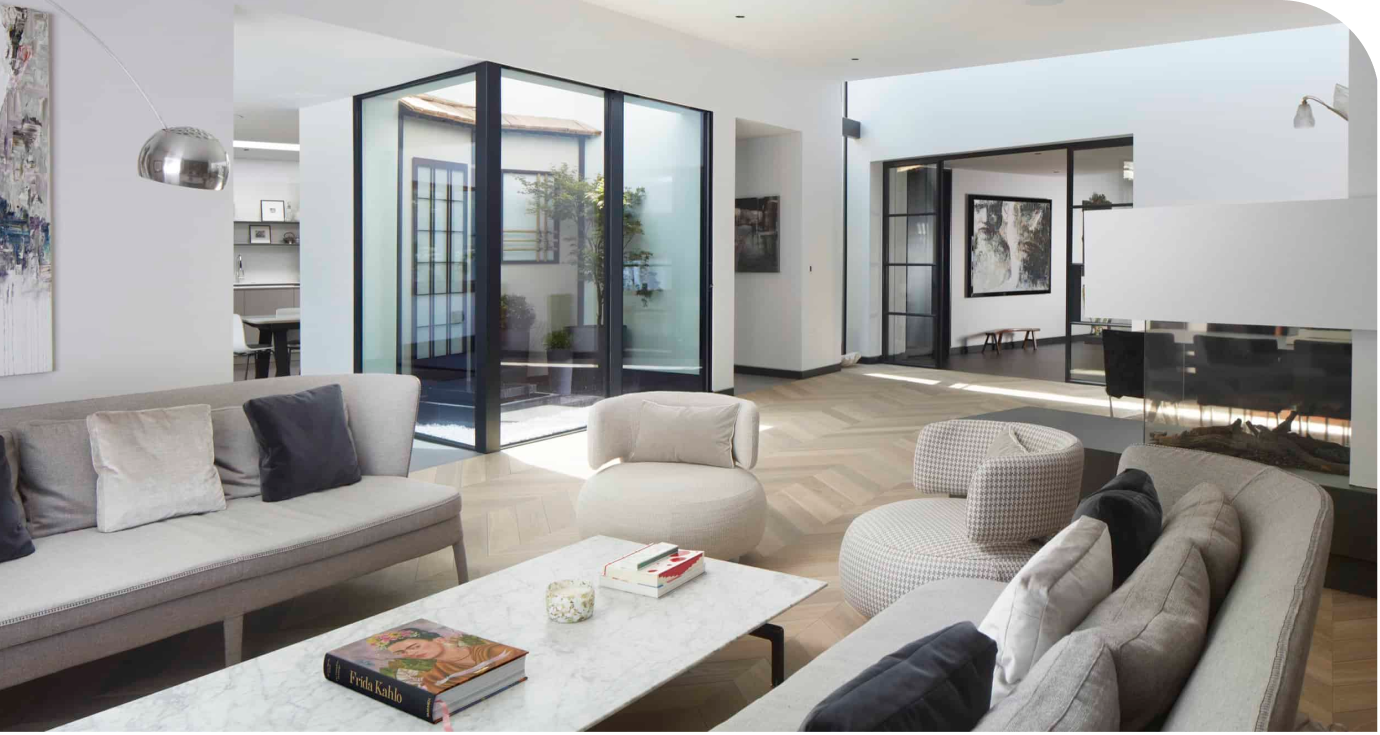
Home Designing for the Future: Adaptability, Wellness, and Sustainability

The modern home is undergoing a fundamental transformation. Driven by shifts in how we live, work, and interact with the planet, the design principles of the past—rigid, single-purpose rooms and a focus on pure aesthetics—are being replaced by a holistic vision. Designing a home for the future is less about chasing fleeting trends and more about investing in three enduring pillars: Adaptability, Wellness, and Sustainability. This forward-thinking approach creates resilient, comfortable, and efficient living spaces that stand the test of time.

modern home


1. The Adaptive Home: Embracing Multifunctionality

The most defining trend in future home design is the move away from compartmentalized living to dynamic, multi-functional spaces. With the rise of remote work and the need for homes to serve as offices, gyms, classrooms, and social hubs, rooms must be flexible and reconfigurable.

Flexible Floor Plans and Zoning

Future homes prioritize open-concept layouts with the clever use of ‘zoning.’ This … Read more

Home Design

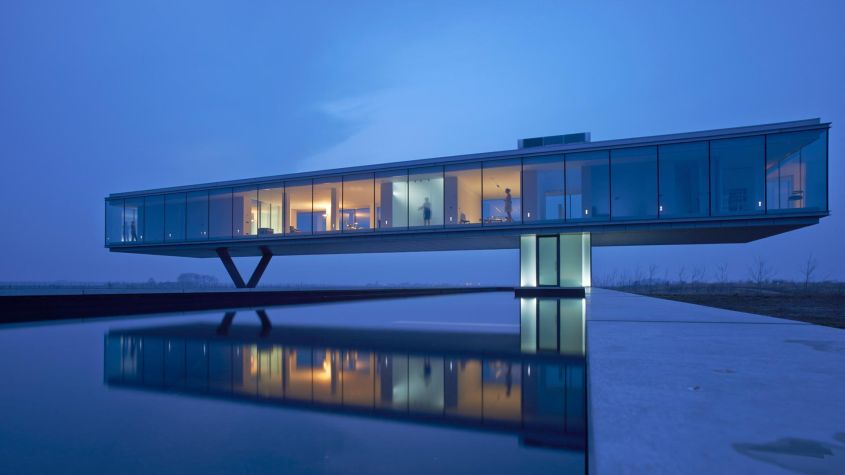
The Architectural Dialogue: Modern vs. Old Home Design

The decision between a modern and an old (traditional) home design is one of the most fundamental choices a homeowner can make. It is a choice that extends far beyond mere aesthetics, dictating everything from a home’s functionality and energy performance to the very atmosphere and lifestyle it fosters. Modern and traditional architecture represent two distinct philosophies of dwelling. Each with a unique historical context and a compelling set of advantages and disadvantages. Understanding this architectural dialogue is key to choosing the design that will genuinely enrich one’s life.


Defining the Philosophy: Form vs. Heritage

The primary difference between modern and traditional home design lies in their underlying architectural philosophies.

Modern Design: Form Follows Function

Modern architecture, which emerged in the early to mid-20th century, is rooted in the principle of form follows function. It is a rejection of the excessive ornamentation of past eras, favoring simplicity, logic, and … Read more

Home Design

Unlocking the Secrets to Perfect Home Design

In the realm of home design, achieving perfection is an art form that requires a harmonious blend of creativity, functionality, and attention to detail. From the layout of living spaces to the selection of materials and finishes, every aspect of home design contributes to the overall ambiance and functionality of the space. In this comprehensive guide, we’ll delve into the key principles and strategies for perfecting home design to create spaces that are both aesthetically pleasing and tailored to the needs of the inhabitants.

Understanding the Fundamentals

Before embarking on the journey of home design, it’s essential to grasp the fundamental principles that govern spatial planning and architectural composition. Concepts such as proportion, scale, and balance form the building blocks of effective design, guiding decisions related to room layout, furniture arrangement, and spatial flow. Additionally, an understanding of architectural styles, historical precedents, and cultural influences provides valuable context for creating … Read more