Interior design is far more than just choosing a color for your walls or picking out a trendy sofa. It is a sophisticated blend of psychology, architecture, and personal expression. At its core, great interior design transforms a house into a home, creating a sanctuary that mirrors the occupant’s personality while maximizing the functionality of every square foot. Whether you are moving into a new space or looking to refresh your current environment, understanding the fundamental principles of design can help you create a space that feels both cohesive and inviting.
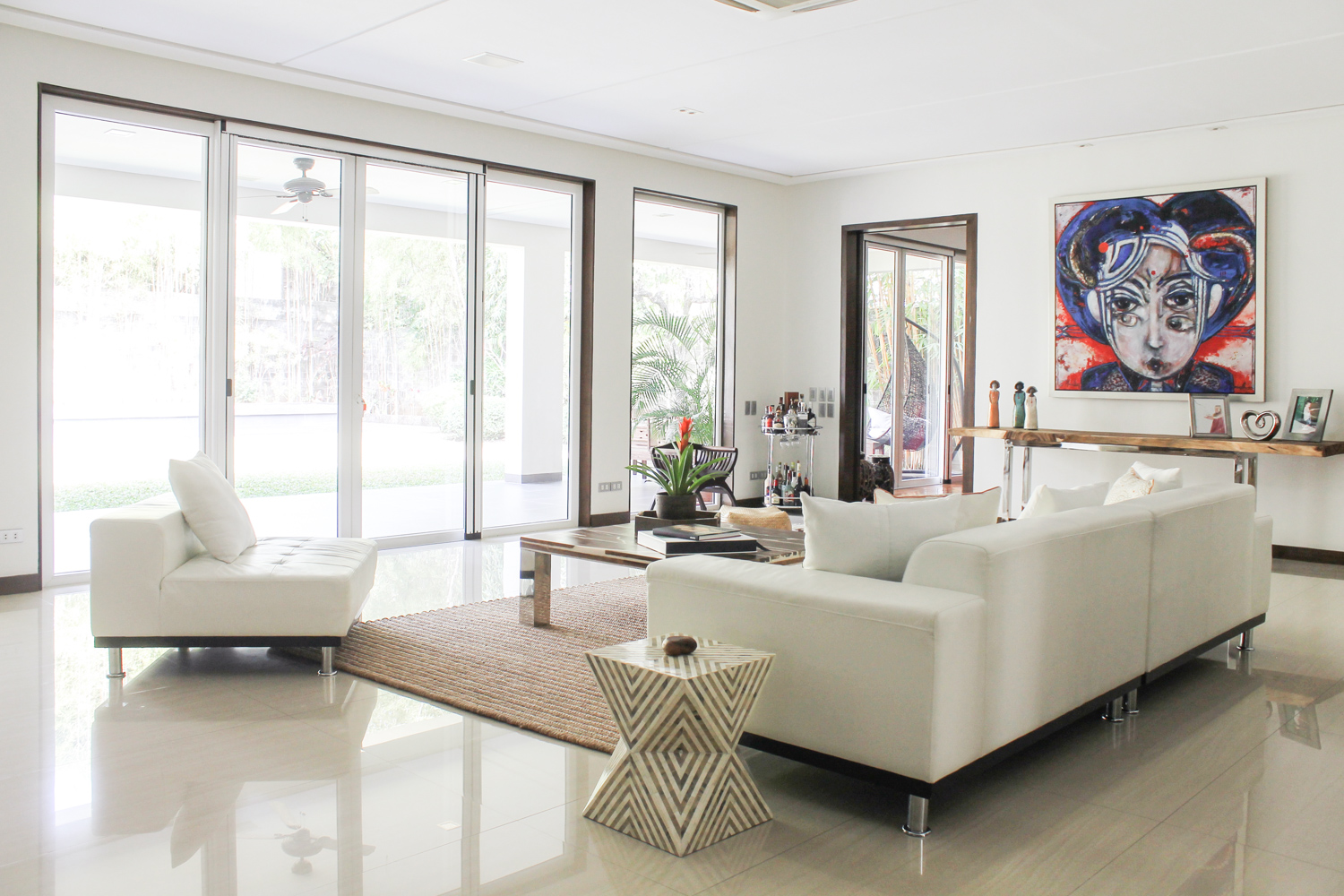
Understanding the Foundation: Balance and Proportion
The hallmark of a professionally designed room is balance. In interior design, balance creates a sense of equilibrium. It is about equalizing the visual weight of objects within a space. There are three primary types of balance: symmetrical, asymmetrical, and radial.
Symmetrical balance is often found in traditional interiors. It involves placing identical objects in the same positions on either side of a vertical axis—think of matching end tables and lamps on either side of a bed. This approach feels stable and formal. Asymmetrical balance, on the other hand, is more common in modern design. It uses different objects that have similar visual weight to create a more dynamic and casual feel. For example, a large sofa on one side of a room might be balanced by two smaller armchairs on the other.
Proportion and scale go hand-in-hand with balance. Scale refers to how an item relates to the size of the room, while proportion refers to the relationship between two objects. A massive sectional sofa in a tiny apartment will feel overwhelming, just as a tiny coffee table will look lost in a cavernous living room. Getting these measurements right is the first step toward a harmonious home.
The Power of Color Psychology
Color is perhaps the most influential tool in a designer’s kit. It has the power to change the perceived size of a room and evoke specific emotions. Before picking up a paintbrush, it is essential to consider the mood you want to achieve.
- Cool Tones: Blues, greens, and soft purples are known for their calming effects. These are ideal for bedrooms and bathrooms where relaxation is the priority.
- Warm Tones: Reds, oranges, and yellows generate energy and warmth. They are excellent choices for social spaces like dining rooms or kitchens, as they stimulate conversation and appetite.
- Neutrals: Whites, grays, and beiges provide a timeless backdrop. They offer flexibility, allowing you to change the “feel” of a room through colorful accessories, artwork, and textiles without committing to a bold wall color.
When applying color, many professionals follow the 60-30-10 rule. This suggests that 60% of the room should be a dominant color (usually the walls), 30% a secondary color (upholstery or rugs), and 10% an accent color (pillows, decor, or art).
Lighting: The Unsung Hero of Interior Design
You can have the most beautiful furniture in the world, but if the lighting is poor, the design will fall flat. Effective lighting design requires a layered approach, incorporating three specific types:
- Ambient Lighting: This is the general illumination of the room. It provides uniform brightness and allows you to move around safely.
- Task Lighting: As the name suggests, this is light for specific activities, such as reading lamps, under-cabinet kitchen lights, or desk lamps.
- Accent Lighting: This is used to create focal points. Use it to highlight a piece of art, a bookshelf, or an architectural feature like a fireplace.
Natural light should always be maximized. Mirrors placed opposite windows can help bounce light around a room, making it feel larger and airier.
Functionality Meets Aesthetics: The Importance of Layout
A beautiful home is useless if it doesn’t function well for your daily life. The layout of a room should be dictated by the “flow” of traffic. There should be clear paths for walking that don’t require squeezing past furniture.
In open-plan living areas, use rugs and furniture placement to define different “zones” without using walls. A rug can anchor a seating area, while a console table can act as a subtle boundary between a dining space and a living room. Always consider the “focal point” of the room—whether it’s a window with a view, a fireplace, or a media center—and arrange your furniture to complement it.
Texture and Materiality
To prevent a room from feeling flat or “one-note,” designers introduce various textures. Texture refers to the surface quality of materials. Mixing smooth surfaces (like glass or polished stone) with rougher textures (like reclaimed wood, linen, or wool) adds depth and visual interest.
Incorporate natural elements wherever possible. Wood brings warmth, stone brings a sense of permanence, and indoor plants bring life. These elements create a “biophilic” connection to the outdoors, which has been shown to reduce stress and improve overall well-being.
Conclusion: Personalizing Your Space
Ultimately, interior design is a deeply personal journey. While trends come and go—from the sleek lines of Mid-Century Modern to the cozy clutter of “Cluttercore”—the most successful designs are those that reflect the people living within the walls. Do not be afraid to break the rules if it means showcasing a piece of furniture you love or a collection of travel souvenirs that bring you joy.
By mastering the basics of balance, color, lighting, and layout, you create a solid framework. Upon that framework, you can layer your own story through textures and personal accents. A well-designed home is not a showroom; it is a living, breathing reflection of your life, curated to provide comfort, functionality, and inspiration every single day.