The architectural world is currently witnessing a fascinating paradox. While technology and global connectivity continue to expand, our physical living footprints are becoming more intentional and compact. The “Modern Little Home” movement is no longer just a response to housing affordability or urban density; it has become a lifestyle choice for those who value freedom, sustainability, and the beauty of curated living.
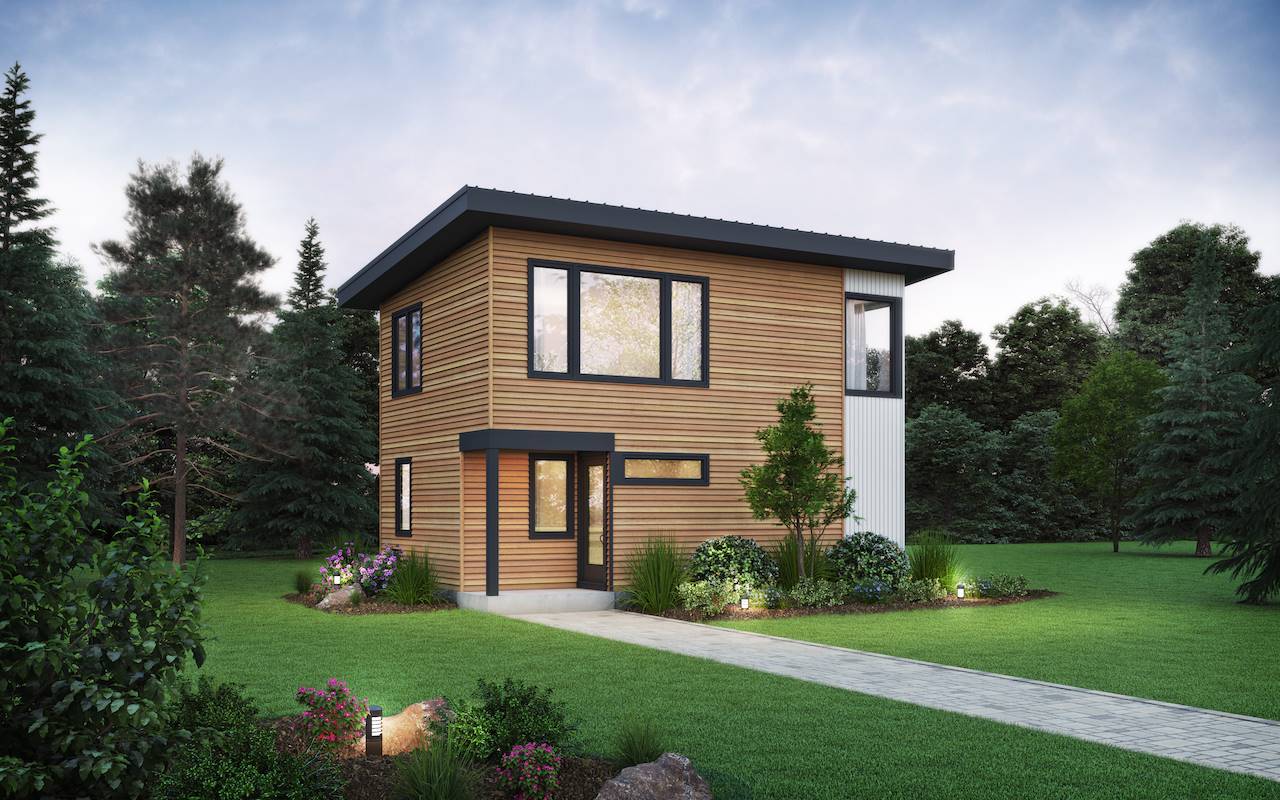
Designing a modern little home requires a complete departure from traditional architectural thinking. In a large house, a few square feet of wasted space go unnoticed. In a little home, every inch is a precious resource. Successfully creating a small modern dwelling is about mastering the balance between high-end aesthetics and rigorous functionality.
1. The Philosophy of Modern Small-Scale Living
At the heart of modern little home design is the concept of “Essentialism.” This philosophy encourages homeowners to strip away the excess and focus on the elements that truly enhance their quality of life. Modern design is the perfect partner for this movement because its hallmarks—clean lines, lack of clutter, and an emphasis on light—naturally make small spaces feel more expansive.
By reducing the square footage, homeowners can often afford higher quality materials that would be budget-prohibitive in a larger residence. This “quality over quantity” approach allows for the use of premium hardwoods, natural stone countertops, and designer fixtures, turning a modest dwelling into a luxury jewel box.
2. Architectural Strategies for Expanding Space
When the physical footprint is limited, architects must use visual and structural “tricks” to prevent the home from feeling cramped.
The Power of Vertical Volume
One of the most effective ways to make a little home feel large is to increase the ceiling height. Modern little home designs often feature vaulted ceilings or double-height “lofts.” By drawing the eye upward, the perceived volume of the room increases significantly. This vertical space can also be utilized for creative storage solutions or mezzanine sleeping platforms, keeping the main floor dedicated to active living.
Strategic Fenestration and Natural Light
Natural light is the best friend of a small home. Modern designs utilize oversized windows, skylights, and even glass corner walls to dissolve the boundaries between the interior and the exterior. When you can see the sky or the garden from almost any point in the room, the walls no longer feel like barriers. The use of “transom windows”—small windows placed high on a wall—allows for light and ventilation while maintaining privacy and leaving wall space available for furniture or art.
3. Smart Furniture and Adaptive Layouts
In a modern little home, furniture cannot just be beautiful; it must be hardworking. The “Transformer” furniture movement has become a cornerstone of this design niche.
Multi-Functional Engineering
We are seeing a rise in integrated joinery where walls are not just structural elements but also storage systems. A wall in a modern little home might hide a fold-down Murphy bed, a pull-out desk, or a hidden pantry. By allowing a single room to serve multiple purposes—a bedroom by night and an office or lounge by day—the utility of the square footage is effectively doubled.
The “Floating” Aesthetic
Modern design often utilizes “floating” elements to keep the floor visible. Wall-mounted vanities, desks, and shelving units create a sense of lightness. When you can see the floor extending all the way to the walls, the brain perceives the room as being wider. This minimalist approach to furniture prevents the “visual noise” that often makes small rooms feel cluttered and chaotic.
4. Materials and Color Palettes
The choice of palette is critical in modern little home design. While the “all-white” interior is a classic choice for small spaces, modern designers are becoming more adventurous with “Warm Minimalism.”
Neutral Foundations with Natural Textures
Light, neutral colors—such as soft greys, creams, and pale woods—reflect light and create a serene atmosphere. However, to avoid a sterile feeling, designers incorporate rich textures. A concrete floor, a reclaimed wood ceiling, or a marble backsplash adds depth and character without overwhelming the small space with busy patterns.
Continuity of Materials
To create a cohesive flow, it is essential to use a consistent material palette throughout the home. Using the same flooring and cabinetry finish in the kitchen, living area, and bathroom creates a seamless transition. This lack of visual “breaks” helps the entire home feel like one continuous, well-proportioned space rather than a collection of tiny, disconnected boxes.
5. Outdoor Integration: The “Borrowing” of Space
A modern little home should never be viewed in isolation from its surroundings. “Borrowed space” is a technique where the outdoor area is treated as an additional room. Large sliding glass doors or “bifold” walls can open the living room completely to a deck or patio.
By matching the height of the interior floor with the exterior deck and using similar materials, the living area effectively doubles in size during fair weather. Even in smaller urban lots, a well-placed courtyard or a rooftop garden can provide a much-needed breath of fresh air and a sense of luxury that defies the home’s small footprint.
Conclusion
Modern little home design is a testament to human ingenuity. It proves that living small does not mean living “less.” Through the strategic use of vertical space, natural light, multi-functional furniture, and a disciplined material palette, these homes offer a high quality of life that is both sustainable and stylish.
The modern little home represents a shift in our values—a move toward a life that is uncluttered, intentional, and focused on the experiences that matter most. Whether it is a “tiny house” on wheels, a backyard ADU (Accessory Dwelling Unit), or a compact urban apartment, the principles of modern design allow us to live grandly in a small way.