Smart home technology has evolved far beyond novelty gadgets and voice-activated light bulbs. Today, the focus has shifted from mere connectivity to integrated intelligence, turning a collection of devices into a single, cohesive, and deeply intuitive system. The future of home automation is not about technology you see. But the seamless, almost invisible ways it enhances convenience, security, and especially, the energy efficiency of modern life. It’s an invisible revolution, working in the background to ensure the home anticipates the needs of its occupants.
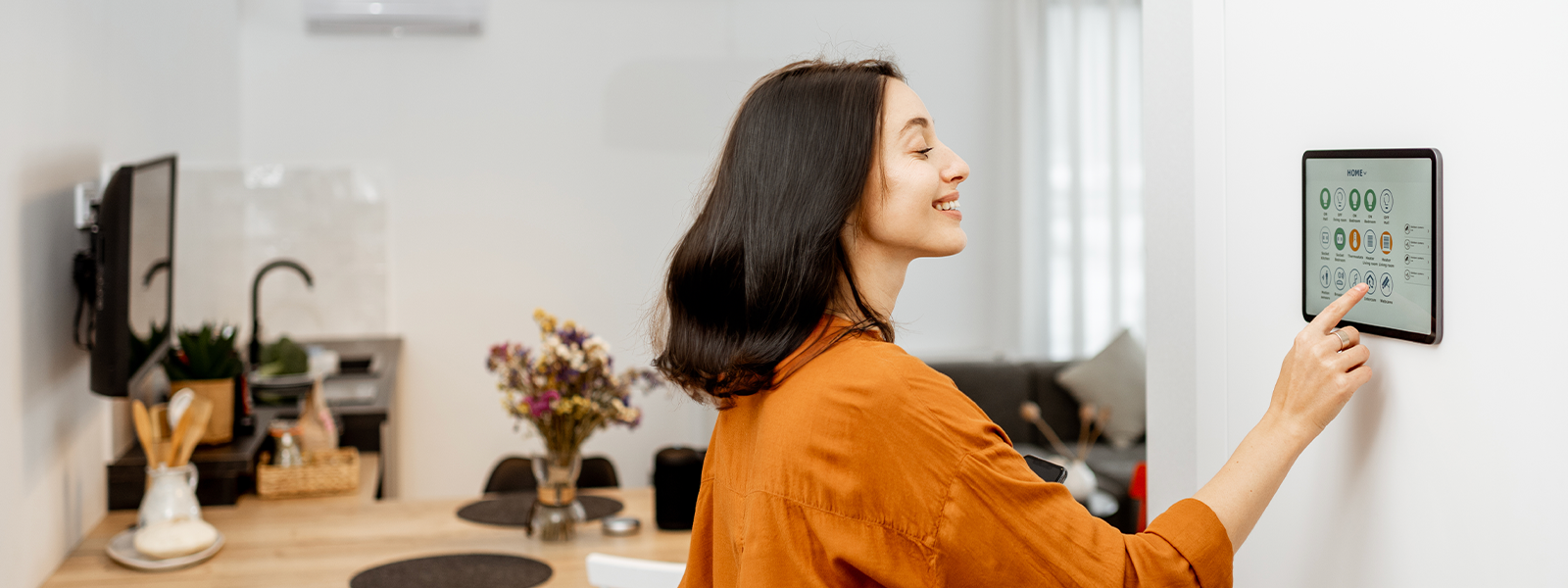
1. The Core Shift: From Gadgets to Integrated Ecosystems
The initial hurdle for smart homes was always compatibility. Users were forced to manage multiple apps, different voice assistants, and a confusing array of protocols. The next generation of smart technology has solved this problem, ushering in an era of true interoperability.
Universal Connectivity
The introduction and widespread adoption of new industry standards. Such as the Matter protocol—is perhaps the most significant recent development. This revolutionary open-source standard allows devices from major competing brands (like Google, Apple, and Amazon, along with hundreds of others) to speak the same language.
- Flexibility for Consumers: Homeowners are no longer locked into one brand ecosystem. They can choose the best-in-class smart lock, thermostat. Or lighting system, knowing they will all work together seamlessly under a single control hub or app.
- Future-Proofing: This standardized approach future-proofs smart home investments. As new devices come to market, users can easily integrate them into their existing setup without needing to overhaul the entire system.
Predictive Automation via AI
The concept of “automation” is maturing from simple programmed schedules to genuine artificial intelligence. Devices are equipped with machine learning capabilities that constantly analyze occupant behavior, environmental data, and energy usage.
- Contextual Awareness: The home learns routines—when the last person leaves, what temperature is preferred for sleeping, and the optimal time to open shades for passive heating. Systems move beyond being simply responsive (waiting for a command) to being truly predictive (anticipating a need).
- Automated Wellness: For instance, the home might automatically adjust the bedroom light’s color temperature in the evening to mimic a sunset (circadian lighting) to promote better sleep, a decision made without any direct command from the user.
2. The Benefits: Enhancing Security, Efficiency, and Comfort
Integrated smart technology delivers three primary, quantifiable benefits that drive its adoption: heightened security, maximized energy efficiency, and unparalleled convenience.
Intelligent Security Systems
Modern smart security is proactive and holistic, extending beyond simple window and door sensors.
- Remote Monitoring and Access: Smart locks allow for keyless entry, remote access control for guests or delivery personnel, and real-time logging of who enters and leaves the home.
- AI-Powered Surveillance: Cameras equipped with Artificial Intelligence can differentiate between a pet, a car, and an unknown person, drastically reducing false alarms. Integrated security can trigger a chain of events—if an unusual presence is detected, the interior lights might turn on, and the outdoor sprinklers might activate, all while alerting the homeowner and emergency services.
Maximizing Energy Efficiency
The intersection of smart technology and sustainability is one of the most compelling arguments for adoption.
- Optimized Climate Control: Smart thermostats learn usage patterns, factoring in external weather forecasts and local utility rates. They automatically pre-heat or pre-cool a home at the most energy-efficient times.
- Water Conservation: Advanced systems integrate discreet, in-pipe sensors that monitor water flow throughout the entire home. These systems can detect small, silent leaks—from a running toilet to a dripping faucet—before they lead to catastrophic damage or significant water waste, offering both cost savings and environmental protection.
Seamless Convenience
The convenience factor is the most immediately appreciated benefit. Voice assistants, customizable ‘scenes,’ and single-app control eliminate daily friction points. A simple voice command or tap of a button can execute complex sequences—a “Goodnight” command might lock all doors, turn off all interior lights, set the alarm, and adjust the thermostat, all simultaneously.
3. The Future Aesthetic: Discretion and Integration
As smart technology matures, its physical presence in the home is becoming less intrusive. Future design emphasizes hiding the technology in plain sight.
Invisible Integration
Architects and interior designers are collaborating to ensure devices blend into the aesthetic.
- Flush Interfaces: Control panels and keypads are now sleek, minimalist, and often flush-mounted, designed to look like elegant pieces of glass or metal trim rather than bulky consoles.
- Hidden Audio/Visual: Speakers are built seamlessly into walls or ceilings, delivering high-quality multi-room audio without any visible equipment clutter. Even televisions can be hidden behind moving art or disappear entirely into custom cabinetry.
Emphasis on Infrastructure
The most powerful smart homes are built from the ground up, with robust, high-bandwidth wiring and infrastructure integrated during construction. This foundation supports future devices and ensures peak performance, prioritizing a hidden, high-performance network that delivers a truly intuitive living experience.
Conclusion: Living Intelligently
Smart home technology is no longer a luxury for early adopters; it is an essential component of the modern, responsible, and comfortable home. By focusing on integrated systems, predictive intelligence, and seamless, invisible design, the home of the future will be a personalized sanctuary—a space that anticipates needs, protects occupants, conserves resources, and, most importantly, allows its inhabitants to focus on living rather than managing technology. The intelligent home is ultimately a quiet partner, constantly working to make life easier, safer, and greener.
Would you like to know more about the sustainable energy management features that smart homes are utilizing to further reduce their carbon footprint?