In an architectural landscape often dominated by sleek minimalism and fleeting trends, the Traditional Home Design stands as a steadfast, comforting anchor. This style is more than just a nod to the past; it is a celebration of enduring elegance, meticulous craftsmanship, and timeless comfort. Rooted primarily in the stately aesthetics of 18th and 19th-century European and American architecture—blending elements from Colonial, Neoclassical, and Georgian styles—Traditional design offers a sense of stability and historical richness that modern aesthetics often lack. The appeal of a traditional home lies in its commitment to harmony, symmetry, and a design language that simply feels universally right.
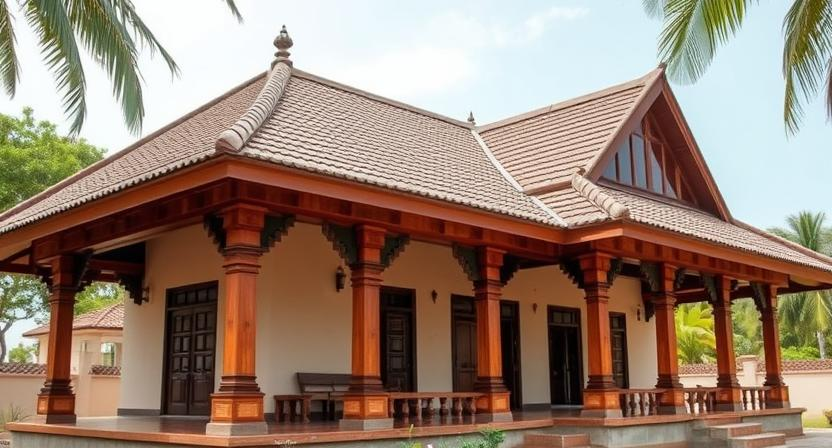
Architectural Principles of Timelessness
The exterior of a traditional home immediately communicates a sense of order and welcome. Achieved through adherence to a few key architectural principles that prioritize balance and scale.
Symmetry and Proportion
The hallmark of a traditional exterior is its symmetrical design. Windows space evenly around a central focal point, typically the main entrance, creating a balance and visually soothing facade. Rooflines tend to be simple, clean, and unobtrusive, often featuring a prominent front-facing gable. This sense of perfect proportion creates a dignified and refined appearance that transcends temporary fashion.
The Material Story
Traditional homes celebrate the honesty and warmth of natural, durable materials.
- Brick, Stone, and Stucco: These materials are favor for their longevity and classic texture. Providing a rich, established look that ages gracefully. Older homes might construct entirely of brick, while newer iterations may use it as a dignified veneer over modern framing.
- Rich Woodwork: Wood is fundamental to the traditional aesthetic, seen not only in the flooring. But in the detailed moldings, wainscoting, and built-in cabinetry. These elements showcase craftsmanship and add depth, character, and warmth to every room. The preference is often for dark, rich wood tones like mahogany, cherry. Or deeply stained oak, which ground the space in classic elegance.
The Interior: Harmony, Comfort, and Detail
If the exterior is defined by balance, the interior of a traditional home is defined by harmony and meticulous detail. The design is calm, orderly, and purposefully arranged to create an inviting and comfortable sanctuary.
Structured Layouts and Defined Spaces
Unlike the sprawling, open-concept layouts favored by contemporary design, traditional homes often retain defined, distinct rooms. Formal living rooms, dining rooms, and libraries provide specific settings for different social and personal activities. While modern adaptations might introduce subtle delineations, the core philosophy is that each space serves a dedicated function, enhancing a sense of purpose and structure within the home.
Color Palette and Textiles
The color palette in a traditional interior is typically refined and warm. Neutral colors—creams, beiges, and taupes—often form the foundational wall color, allowing the furniture, art, and fabrics to introduce the primary color story. Rich jewel tones like ruby red, emerald green, and deep sapphire blue are popular accents, often featured in upholstery and heavy window treatments.
The choice of textiles is equally important, favoring luxurious, high-quality fabrics such as velvet, silk, wool, and damask. Patterns are classic and sophisticated, including florals, plaids, stripes, and subtle geometrics, layered together to create a feeling of richness and visual interest without becoming overwhelming.
The Power of Symmetry in Decor
Within a traditional space, symmetry is paramount in decoration. Accessories, furniture, and lighting are often placed in pairs to anchor a room and draw the eye toward a clear focal point, which is usually a substantial piece of architecture like a fireplace with an ornate mantel. Matching table lamps, twin armchairs, and mirrored placement of artwork ensure the space feels balanced, organized, and tranquil.
Celebrating Craftsmanship and History
Traditional home design places a high value on quality craftsmanship and historical integrity. It is a style that favors enduring value over disposable novelty.
Architectural Embellishments
The interior architecture itself is highly detailed. Features like crown molding, elaborate millwork, coffered ceilings, and built-in bookshelves are essential. These are not just decorations; they are structural embellishments that elevate the space and showcase the skill of the artisan. Every element is carefully considered, from the ornate carvings on a furniture leg to the precise joinery of a wood-paneled wall.
Heirlooms and Antiques
The traditional home is the perfect backdrop for personal history. It encourages the integration of antiques, vintage pieces, and family heirlooms. These items—a grandfather clock, a Persian rug, or a cherished mahogany chest—add layers of narrative and warmth, ensuring the home feels deeply personalized and connected to a family’s past. They are the essential accents that lend the space its unique, lived-in elegance.
Conclusion: The Timeless Appeal of Tradition
Traditional home design has maintained its popularity for centuries because it meets a fundamental human need: the desire for comfort, order, and connection to history. It is a style that defines luxury through quality, not excess, and elegance through balance, not bravado. By emphasizing classic architectural details, durable natural materials, and meticulous symmetry, the traditional home offers a timeless aesthetic that is both deeply comforting and universally admired. It is an investment in enduring beauty, creating a space that remains sophisticated and welcoming for generations to come.
Would you like to explore how to successfully blend traditional design elements with modern functionality in a concept known as ‘Transitional Design’?